
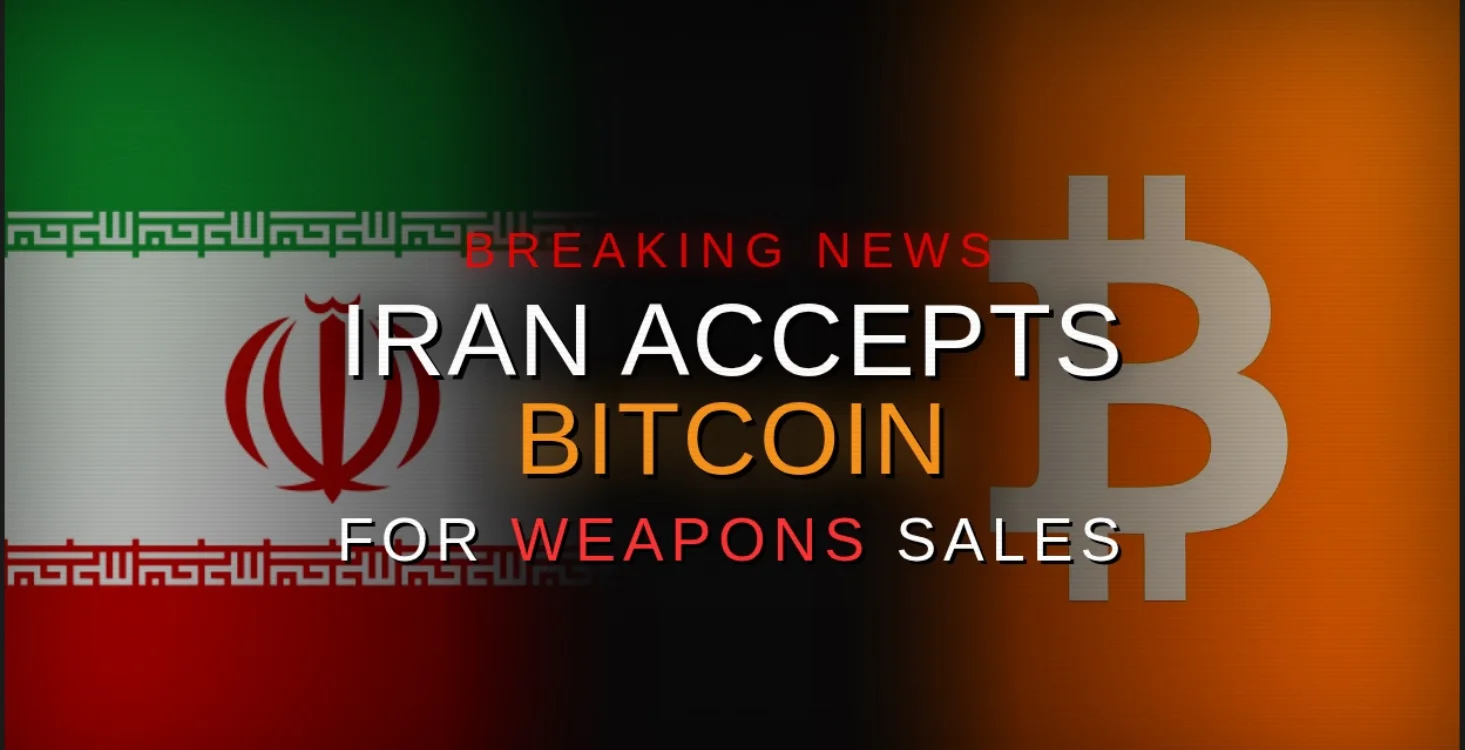
Iran has reportedly announced plans to sell advanced weapons systems using cryptocurrency, showing a major change in how the country is handling international trade during tough economic conditions.
Iran is currently facing high inflation, a sharply weakening national currency, and long-standing international sanctions that have restricted its access to the global banking system.
By turning to digital currencies for high-value transactions, Iranian officials appear to be seeking alternative financial channels to support foreign trade and reduce the impact of economic isolation.
Iran Turns to Crypto for High-Value Military Deals
According to reports, Iran is preparing to let foreign governments buy advanced military equipment using cryptocurrency. This move appears to be a response to growing economic pressure caused by long-standing sanctions, a weakening currency, and rising inflation.
In 2025, Iran’s national currency, the rial, dropped to record lows against the U.S. dollar, deepening the country’s financial instability. Higher prices and shrinking purchasing power have also led to public protests, putting added pressure on the government to take stronger economic measures.
Iran’s Ministry of Defense export agency, known as Mindex, stated in official documents that it is open to negotiating arms contracts that allow payments through cryptocurrency, barter deals, or the Iranian rial, offering greater flexibility for international transactions.
Advanced Weapons Offered for Crypto Payments
Mindex, the agency that handles Iran’s weapons sales to other countries, has listed several advanced weapons for export. These include Emad missiles, Shahed drones, Soleimani-class warships, and short-range air defense systems.
The agency said that even with international sanctions, it has ways to complete deals and deliver weapons. By accepting cryptocurrency, Iran can make payments easier and avoid problems caused by traditional banking restrictions.
Sanctions, Inflation, and Global Pressure
Iran’s economy has been badly affected by Western sanctions and regional conflicts. Inflation is very high, at around 42.5%, which has increased financial pressure on both businesses and ordinary people.
At the same time, many countries are tightening rules on money laundering and tax reporting. Because of this, making large international payments through banks has become more difficult.
Using cryptocurrency for weapons sales is a bold and controversial step. It allows Iran to continue international trade while avoiding some financial restrictions.
U.S. Warnings and Rising Tensions
This week, the United States announced new sanctions against individuals and groups accused of helping weapons trade between Iran and Venezuela. Former U.S. President Donald Trump also warned that military action could be taken if Iran tries to expand its weapons programs.
Due to these pressures, Iran seems to be speeding up the use of cryptocurrency for trade payments. Officials have said that digital currencies could also be used for deals with India and other BRICS countries, helping Iran reduce dependence on U.S.-controlled financial systems.
Iran’s Vision for Crypto and Digital Trade
At the deBlock Summit, Iran’s first international blockchain conference, Parliament Speaker Mohammad Bagher Ghalibaf spoke about the role of digital currencies.
He said that cryptocurrencies offer new ways to do business and make payments for trade. According to him, digital currencies can support independent countries. He added that Iran wants to become a regional and even global center for blockchain technology and digital trade.
Ghalibaf also said that using digital currencies for international trade is no longer a choice for Iran.it has become a necessity.
The coming months of 2026 will be critical as Iran attempts to stabilize its economy while expanding its use of cryptocurrency in global trade. As crypto markets continue to evolve, major world powers, including the United States, are expected to closely monitor Iran’s actions and their potential geopolitical impact.