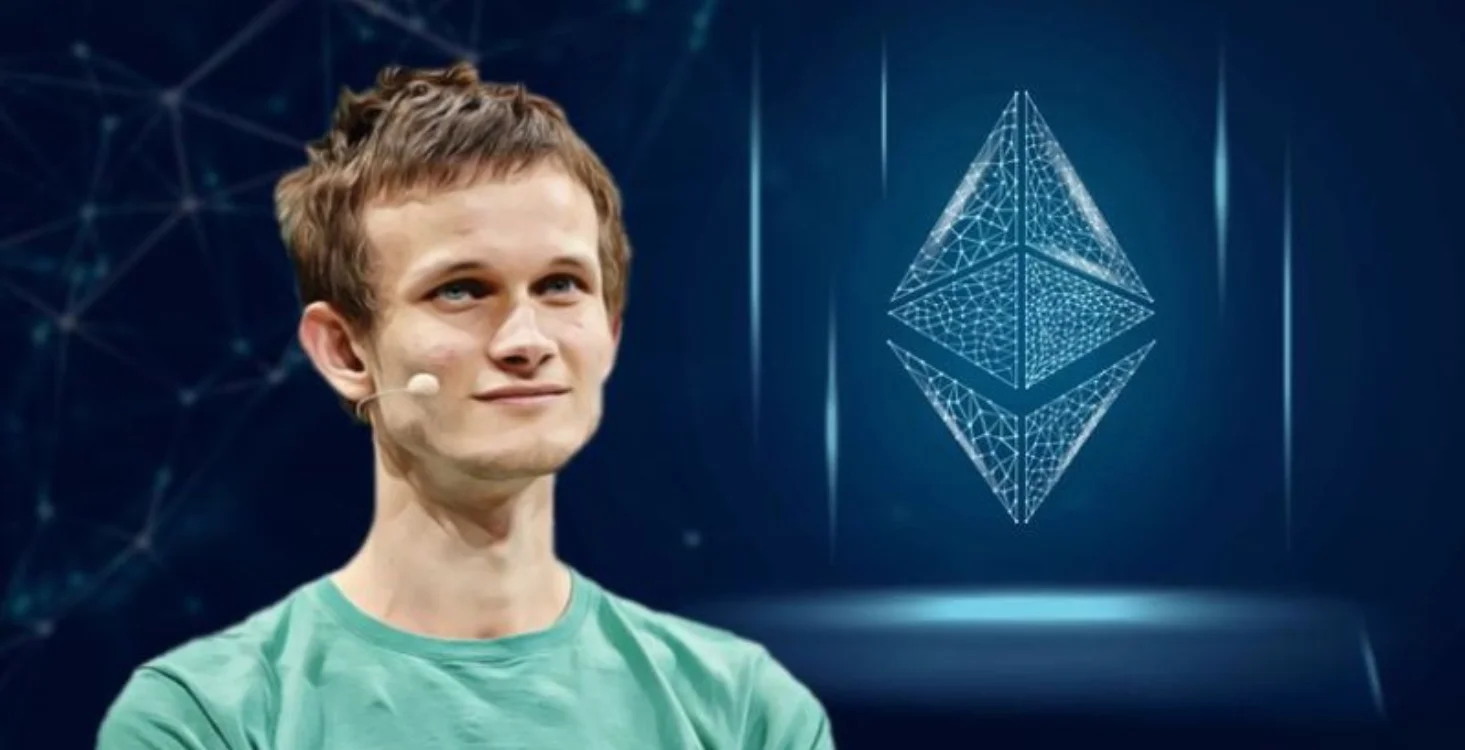
Ethereum co founder Vitalik Buterin believes the blockchain industry has finally reached an important milestone. According to him, Ethereum has solved the long standing blockchain trilemma, which means achieving decentralization, security, and scalability at the same time.
In a recent post shared on X, Buterin explained that Ethereum’s latest and upcoming upgrades are no longer just ideas. Many of these improvements are already working on the main network.
He said this progress is the result of almost ten years of continuous development and described it as a major turning point for Ethereum.
How Ethereum Solved the Blockchain Trilemma
Ethereum’s breakthrough is based on two key technologies: PeerDAS, which stands for Peer to Peer Data Availability Sampling, and Zero Knowledge Ethereum Virtual Machines, also known as ZK EVMs.
PeerDAS was introduced with the Fusaka upgrade in December 2025. It helps Ethereum manage much larger amounts of data without forcing every node to download everything. Instead, nodes check data availability through a sampling process.
This method improves network scalability while keeping Ethereum decentralized, and it is already live on the mainnet.
ZK EVMs form the second part of the solution. They allow Ethereum blocks and transactions to be verified using zero knowledge proofs while remaining compatible with the existing Ethereum Virtual Machine.
Although ZK EVMs are already strong in terms of performance, Vitalik Buterin explained that they are still in an early security stage and need more testing before becoming the main validation system.
When combined, PeerDAS and ZK EVMs turn Ethereum into what Vitalik Buterin describes as a fundamentally new and more powerful decentralized network.
Ethereum’s Roadmap: What Comes Next
Vitalik Buterin explained that Ethereum’s progress will happen step by step over the next few years. In 2026, Ethereum is expected to increase its gas limits through execution upgrades and balance improvements. This period may also allow users to start running nodes based on ZK EVM technology.
From 2026 to 2028, Ethereum developers plan to make several important changes, including gas fee adjustments and improvements to how network data is stored. These upgrades are designed to safely handle more transactions without harming the network’s stability.
By the late 2020s, ZK EVMs are expected to become the main way Ethereum validates blocks. This shift could enable much higher gas limits and long term scalability across the network.
Buterin noted that this milestone is not sudden. It is the result of nearly 10 years of continuous work, starting with early research on data availability in 2017 and later development of ZK EVM technology around 2020.
Stablecoin Activity on Ethereum Hits Record Levels
Ethereum is growing fast, not only in technology but also in real use. In the last quarter of 2025, stablecoin transfers on Ethereum crossed 8 trillion dollars, according to Token Terminal. This is almost twice the amount seen just two quarters before.
Experts say this growth shows that people are using Ethereum for real purposes, not just trading. These uses include payments, sending money, and managing company funds. In 2025, stablecoin supply on Ethereum also increased by about 43 percent, rising from 127 billion dollars to 181 billion dollars by December.
Ethereum activity is also at a record high. Daily transactions reached around 2.23 million in late December. Monthly active users also hit a new high of 10.4 million, showing more people are using the Ethereum network.
Ethereum Leads in Real World Asset Tokenization
Ethereum continues to lead the real world asset tokenization market. According to data from RWA.xyz, Ethereum holds about 65 percent of the total on chain real world asset value, which is nearly 19 billion dollars. When Ethereum layer 2 networks and other EVM compatible blockchains are included, this share increases to more than 70 percent.
Overall, these developments show that Ethereum is quickly moving beyond being just a speculative blockchain. It is now becoming a global settlement network used for stablecoins, tokenized assets, and decentralized financial systems.