
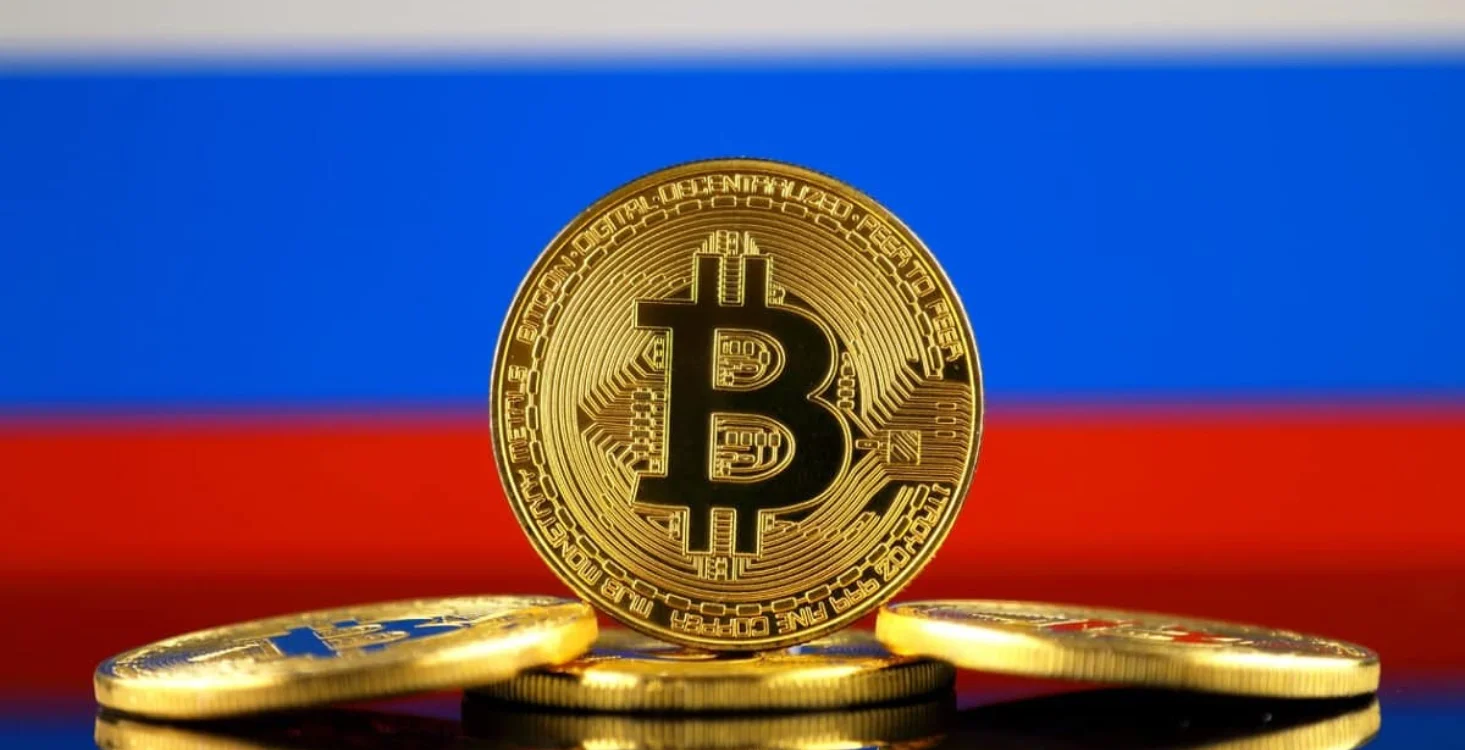
Russia is planning a new law to give retail investors limited access to cryptocurrencies, showing a major step in the country’s digital asset policy.
Anatoly Aksakov, chairman of the State Duma’s Financial Market Committee, confirmed that the draft law is ready to be introduced in the upcoming spring session.
The goal of this legislation is to make cryptocurrencies more common and accessible while still keeping strict rules to protect inexperienced users.
Retail investors will be able to buy approved digital assets within set limits, ensuring they understand the risks. At the same time, authorities will continue to monitor and regulate the market carefully.
Key Features of the Proposed Bill
Russia’s new crypto bill will make digital assets a normal part of the country’s financial system. The law will remove cryptocurrencies from special financial regulations and place them under a general legal framework. This allows retail investors to buy approved cryptocurrencies, but with a yearly limit of 300,000 rubles ($3,800) per person.
To participate safely, non-qualified investors must pass a mandatory knowledge or risk-awareness test. This ensures they understand market risks and the volatility of crypto investments.
Professional investors, banks, and brokers will not face these limits and can operate freely in the crypto market. The bill is designed to give everyday investors controlled access to crypto while maintaining safety, transparency, and oversight in Russia’s digital asset ecosystem.
Controlled Access for Retail Investors
Authorities want to make sure people can invest in crypto safely, so retail investors will have limited access, not full or unrestricted use. High-risk privacy coins like Monero and Zcash will still be banned because they are harder to track and pose compliance risks. This keeps a balance between allowing crypto use and protecting investors.
The bill also lets cryptocurrencies be used for international payments and allows Russian crypto assets to be traded in foreign markets. However, using crypto to pay for goods or services in Russia is still not allowed, keeping investment and payment activities separate.
Regulatory Oversight and Reporting Requirements
All cryptocurrency transactions must go through licensed domestic platforms, like approved exchanges and registered brokers. People using foreign crypto platforms are also required to report their holdings and any crypto-related income to the tax authorities. Not reporting properly can lead to fines or legal penalties.
The goal of these rules is to make crypto activity safer and more transparent. By bringing previously unregulated transactions under the law, the government can collect taxes effectively and ensure that crypto usage follows the country’s financial regulations.
These measures help protect investors and maintain financial stability while allowing controlled access to digital assets.
Impact of Sanctions on Crypto Policy
Since 2022, international sanctions have increased interest in alternative financial channels. Many people and businesses in Russia are turning to cryptocurrencies to make cross-border payments outside the traditional banking system.
The new proposed law aims to balance innovation with control, giving retail investors structured access to crypto while keeping risks in check.
With clear rules, the government plans to safely integrate digital assets into the financial system. Retail participants will be able to use approved cryptocurrencies within limits and reporting requirements. This approach helps protect investors, maintain oversight, and ensure the market grows in a regulated and secure way.
Crypto Exchanges Could See Changes
Along with the new bill, Russia may introduce new rules for crypto exchanges. Authorities are focusing on exchanges outside the country, especially in Belarus, where scammers have targeted Russian users. These updates aim to increase security, prevent fraud, and protect investors.
The government plans to enforce stricter regulations and require domestic licensing for exchanges operating in Russia. This will make it easier to track transactions, monitor crypto activity, and ensure compliance with tax and financial rules.
By improving transparency and oversight, the changes are expected to make the crypto market safer for both retail and professional investors in the country.