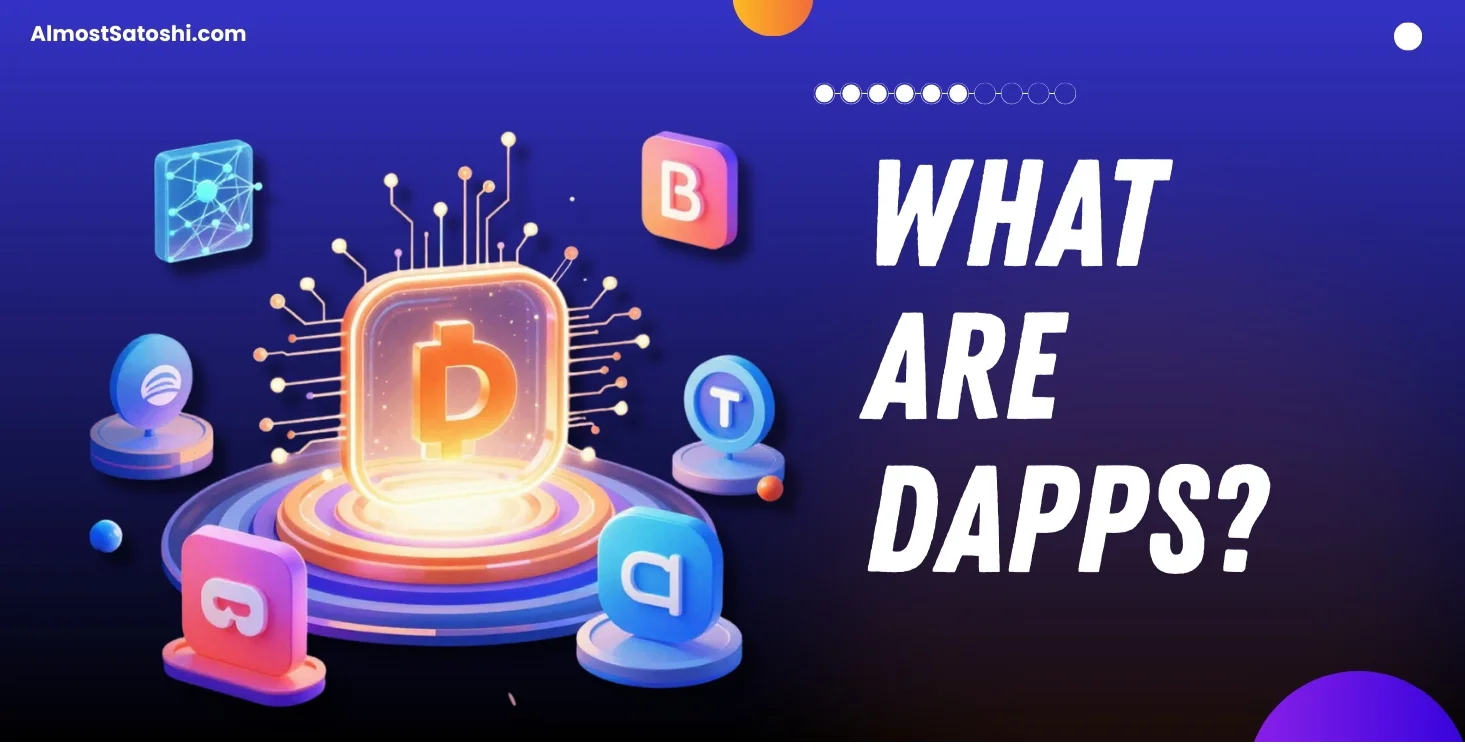
The rise of Decentralized Applications (DApps) is changing how we use online platforms. Traditional apps store data on a single server while DApps work on a decentralized network usually using blockchain technology. This means no single company controls your data making the apps more secure and transparent.
Users have more control over their information and digital assets. DApps are a key part of the Web3 ecosystem powering applications like DeFi platforms, NFT marketplaces and blockchain games. They let people interact, trade and manage digital assets safely without relying on a central authority.
From DeFi platforms and NFT marketplaces to blockchain games and DAO governance systems, DApps are changing the way we use online applications.
In this article, we will explain what DApps are, how they work, their main features, advantages and disadvantages, real-life examples, and what the future holds for them. By the end, you’ll see why decentralized applications (DApps) are considered the next big step in digital technology.
What Are Decentralized Applications (DApps)?
Decentralized Applications (DApps) are software applications that operate on a distributed network rather than a centralized server. This makes them more secure, transparent, and harder to shut down or control by one authority.
Where a company or server manages everything, DApps use blockchain technology and smart contracts to work automatically. This allows users to interact directly with the app for tasks like trading cryptocurrency, using DeFi services, playing blockchain games, or buying NFTs, all without relying on a central authority.
In simple terms, what are DApps in crypto? They are blockchain-based applications that allow users to interact with digital assets, services, and platforms without relying on a central authority. This includes everything from exchanging cryptocurrency to participating in decentralized finance (DeFi) protocols, minting NFTs, or engaging in blockchain-based gaming.
How Do DApps Work?
Decentralized applications or DApps work differently from normal apps because they don’t rely on a single company or server. Instead, they run on a blockchain network and use smart contracts to operate automatically. Here’s how it works in simple terms:
- Blockchain Backend: Think of blockchain as a big shared notebook that everyone can see and write on. All the DApp’s data and transactions are stored here, not on one computer. This means no single point can fail, hack, or control the app.
- Smart Contracts: Smart contracts are like digital rules that automatically execute when conditions are met. For example, if you send tokens to someone through a DApp, the smart contract ensures it happens automatically no middleman needed.
- Frontend Interface: You use DApps just like a regular app or website. The difference is, when you click buttons or interact with the app, all the actions happen on the blockchain through smart contracts. You don’t need to worry about the backend because it’s decentralized and secure.
Types of Decentralized Applications
1. DeFi (Decentralized Finance)
DeFi is a type of DApp that lets people manage their money without banks or middlemen. With DeFi platforms, users can lend, borrow, trade, or earn interest on digital currencies directly on the blockchain. For example,
you can lend your crypto to others and earn rewards, or trade tokens on decentralized exchanges safely. Popular digital assets like Bitcoin, Altcoins, and Stablecoins are commonly used on these platforms. DeFi makes financial services faster, more transparent, and accessible to anyone worldwide, even without a traditional bank account.
2. NFT Platforms
NFT platforms are digital marketplaces where users can create, buy, sell, and trade unique digital items called NFTs. OpenSea is one of the most popular NFT marketplaces. These platforms run as decentralized applications, meaning no single company controls them.
Users have full ownership of their digital collectibles, and transactions are secured on the blockchain. NFT platforms show how DApps are not just for finance. They also allow people to explore art, music, and gaming in a transparent and secure way.
3. Gaming DApps
Gaming DApps are blockchain-based games that let players earn digital rewards while playing. For example, in Axie Infinity, players can collect, trade, and battle digital creatures, earning cryptocurrency or tokens as rewards.
In traditional games, players truly own their in-game assets, which can be sold or traded outside the game. This “play-to-earn” model creates a transparent and fair gaming economy, giving users more control and real value for their time and effort.
4. DAO (Decentralized Autonomous Organizations)
A DAO is a special type of decentralized application (DApp) that lets communities make decisions together without a central authority. In a DAO, every member who holds tokens can vote on proposals, such as funding projects or changing rules.
Decisions are executed automatically through smart contracts, making the process transparent and fair. This system gives all participants equal power, encourages collaboration, and ensures that the organization runs democratically and efficiently, entirely on the blockchain.
Key Features of DApps
1. Decentralization
Decentralization means a DApp doesn’t rely on a single server or company. Instead, its data and operations are spread across many computers (nodes). This makes the app more reliable, secure, and resistant to hacking or downtime. Users can trust that the app will keep running even if some nodes fail.
2. Open-Source Nature
Most DApps are open-source meaning anyone can see and check their code. Developers and users around the world can review it and suggest improvements. This makes the app more trustworthy because the community can confirm that it works correctly and is safe to use.
3. Transparency
DApps record all actions and transactions on the blockchain, which anyone can view. This means users can see exactly what is happening in the app in real-time. Because everything is open and visible, it builds trust and ensures the app operates fairly without hidden changes or manipulation.
4. Security
DApps are very secure because they use blockchain technology to protect data. All information is encrypted and stored across many computers, making it almost impossible for hackers to change or steal it. This means users can safely interact with the app, send tokens, or use services without worrying about unauthorized access or fraud.
5. Token-Based Ecosystem
Many DApps use tokens to reward users and developers. Tokens can give ownership, allow voting on decisions or unlock special features in the app. This system motivates people to participate, making the app more active, secure, and community-driven.
Advantages of DApps
1. No Central Authority
DApps operate without a single company or central server controlling them. This allows users to make transactions, access services, and interact with the application directly. Without a middleman, users have more freedom, transparency, and control over their activities, reducing dependency on any single organization.
2. Data Privacy
DApps store information across a decentralized network instead of a single server. This means users fully control their personal data, reducing the risk of hacking or misuse. By keeping sensitive details in your own hands, DApps provide stronger privacy and give users confidence that their information remains secure.
3. Lower Downtime
DApps operate on multiple computers (nodes) at the same time, traditional apps that rely on a single server. This means the app rarely goes offline. Even if some computers fail or face issues, the network keeps running, ensuring users can access the app anytime without interruptions.
4. User Control Over Data
DApps users have full ownership of their data and digital assets. Unlike traditional apps where a company controls your information, DApps let you decide how your data is used, shared, or stored. This ensures privacy, security, and complete control over your online activities.
5. Global Accessibility
Decentralized applications remove geographical and regional restrictions, allowing anyone with an internet connection to access them. Users from any part of the world can use services, trade assets, play games, or participate in decentralized platforms. This ensures equal opportunities and makes digital applications available globally.
Disadvantages of DApps
1. Scalability Issues
DApps use decentralized networks which can sometimes get crowded. This means they cannot always handle a lot of transactions at once and can be slower.
2. Slow Performance
Because DApps work on many computers or nodes instead of one server, actions like sending tokens or executing contracts can take more time than normal apps.
3. Complex User Experience
Using DApps can be tricky for beginners. You may need to set up crypto wallets, manage tokens or understand blockchain steps which can feel confusing.
4. High Transaction Fees (Gas Fees)
Some networks like Ethereum charge fees for each action. These fees can sometimes be very high making DApps expensive to use.
5. Adoption Challenges
Many people still do not use DApps because they are new, technical and not as simple as regular apps. This makes it harder for DApps to become popular with everyone.
Popular Examples of DApps
- Uniswap: Uniswap is a decentralized exchange that allows users to swap cryptocurrencies quickly and securely without relying on a central authority. It provides liquidity pools, enabling seamless token exchanges with minimal fees and high transparency for all participants.
- OpenSea: OpenSea is a popular NFT marketplace where creators can sell, trade, and showcase their digital art. It allows artists and collectors to monetize and access unique digital assets securely using blockchain technology, making NFTs widely available.
- Axie Infinity: A popular blockchain-based game where players collect, breed, and battle digital creatures called Axies. Players earn digital tokens as rewards, which can be traded or sold, creating a play-to-earn gaming experience on the blockchain.
- Compound: Decentralized finance (DeFi) lending platform that allows users to lend or borrow digital assets. Users can earn interest on cryptocurrencies like Stablecoins, making it a popular choice for earning passive income in crypto.
Future of DApps
The future of decentralized applications DApps is very promising as Web3 adoption continues to grow. In the coming years, DApps are expected to become smarter through integration with AI and IoT, making them more efficient and interactive.
They will see wider adoption in gaming, finance, governance, and digital marketplaces. Scalability improvements will reduce transaction costs, and more users will utilize Altcoins and Stablecoins within these ecosystems.
Overall, DApps are set to change how people interact with digital platforms by offering greater transparency, security, and user control over their data and assets.
Conclusion
Decentralized Applications (DApps) are more than just a technology. They are changing the way we use digital services. By using blockchain and smart contracts, DApps give users more security, transparency, and control. While there are challenges like scalability and adoption, their potential in finance, gaming, NFTs, and governance is very clear.
For anyone learning about DApps in crypto, understanding these applications is important. They show a future where users have control and middlemen are reduced. This is why platforms like almostsatoshi are helping beginners explore DApps and the wider blockchain ecosystem.
Whether you are trading Bitcoin, using Altcoins, managing Stablecoins, or exploring digital collectibles, DApps provide a safe, transparent, and globally accessible ecosystem for everyone.