
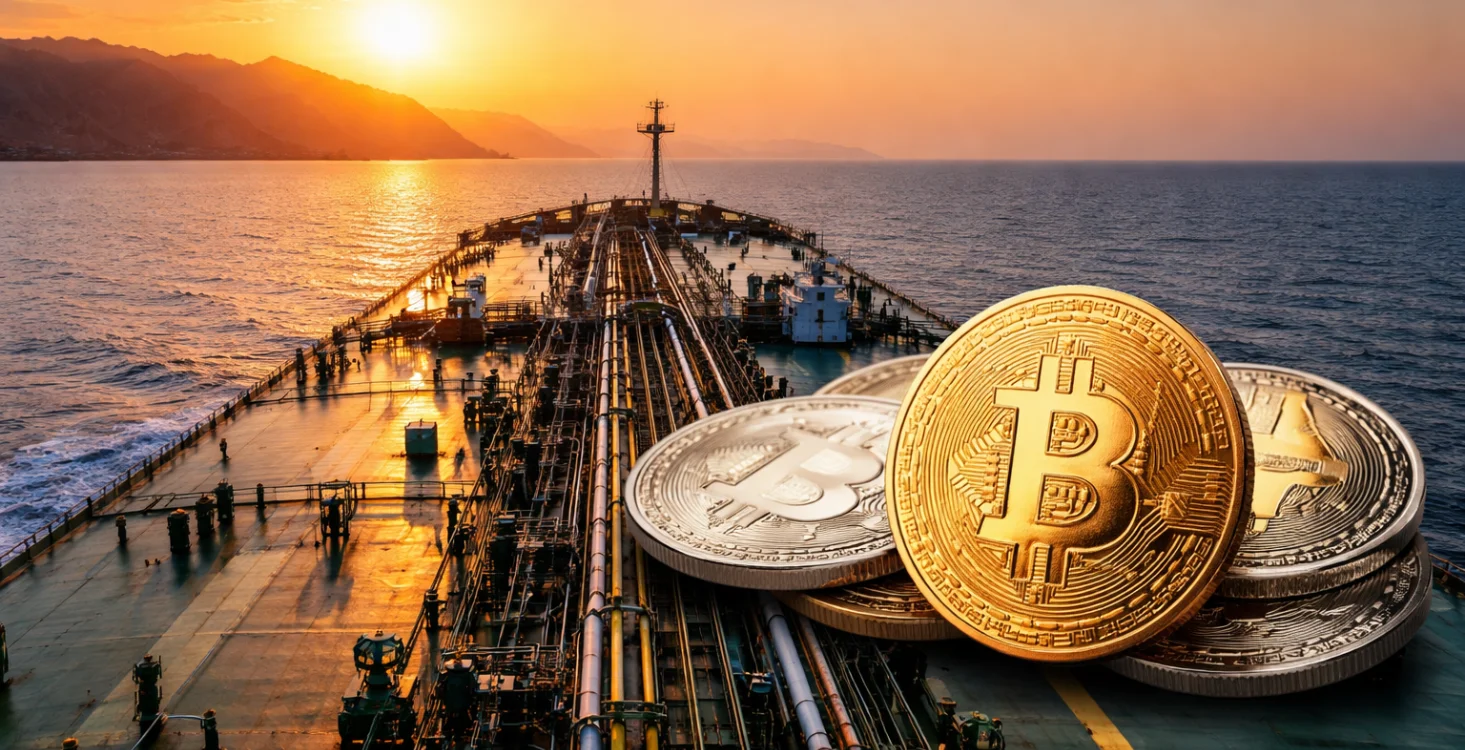
Iran has announced that ships passing through the Strait of Hormuz must now pay tolls in Bitcoin and other cryptocurrencies, according to Hamid Hosseini, a spokesperson for Iran’s Oil, Gas and Petrochemical Products Exporters’ Union, speaking to the Financial Times.
The toll is about $1 per barrel and applies after tankers provide details about their cargo. Empty ships are exempt, but all vessels will be closely monitored to stop illegal activities, including weapons smuggling, during the two-week ceasefire.
Iran plans to guide ships along the northern route near its coast, and vessels that ignore the rules could face warnings or military action.
Because of strict monitoring, only a few ships can pass safely each day causing delays. Shipping companies like Maersk are being cautious while the new rules are clarified. This move shows Iran is increasingly using cryptocurrency in trade for strategic control.
More: Crypto Market Fears Crash as U.S. Captures Maduro
Iran plans to guide ships through the northern route near its coastline in the Strait of Hormuz. Ships that do not follow these rules could receive warnings or even face military action, showing how sensitive the region is.
The monitoring process is detailed and slow, so only a few ships can pass safely each day. This has led to a backlog of vessels in the Gulf. Major shipping companies, like Maersk, are being careful and waiting for the rules to become clearer before moving their ships.
The new system requires ships to pay tolls in Bitcoin or other cryptocurrencies, which shows Iran’s growing use of digital payments in international trade. This change also highlights the challenges of navigating one of the world’s most important shipping lanes.
As this story develops, shipping companies and global traders are keeping a close watch on how these rules will affect trade and maritime safety.