Cryptocurrency markets are known for their big price swings. For example, Bitcoin’s value can jump 10% in a single day and then fall just as fast. This makes it hard for traders, investors, and businesses to use crypto for stable transactions and financial planning.
Stablecoins play a critical role in the crypto world by maintaining a stable value, often pegged to assets like the US dollar. Among them, Tether (USDT) is the most widely used, serving as a key bridge between cryptocurrency volatility and the need for reliable financial transactions.
USDT bridges traditional currencies and digital assets, providing stability in the volatile crypto market. Pegged to fiat currencies, it’s popular among traders for minimizing risk.
With high liquidity and ease of use, USDT is crucial for Cryptocurrency Trading, payments, DeFi, and cross-border transfers. It facilitates seamless, low-cost global transactions, bypassing the delays and fees of traditional banking, making it a key player in the digital economy.
This guide covers everything you need to know about Tether: what it is, how it works, how people use it, the different types, its benefits, how it compares to other stablecoins, and what the future might hold.
What is Tether (USDT)?
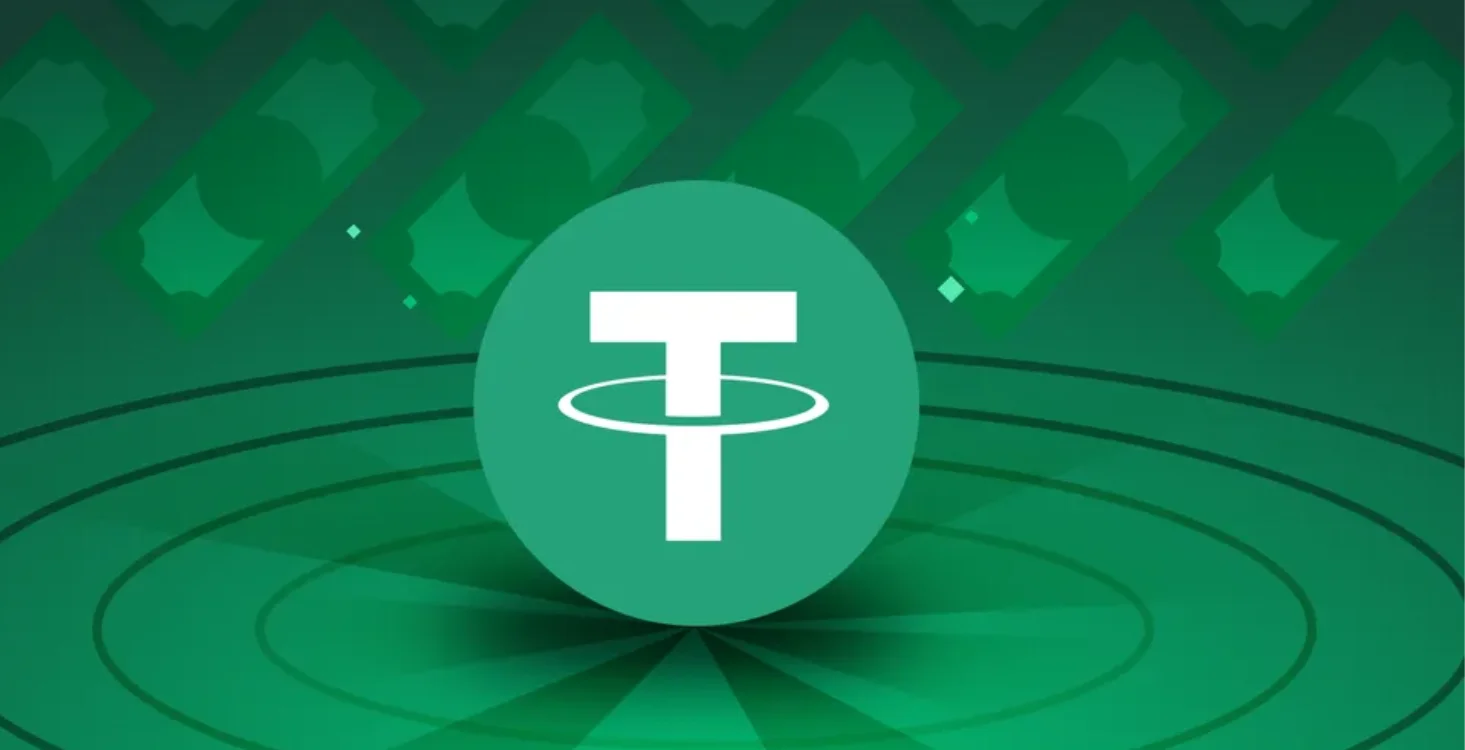
Tether (USDT) is a type of cryptocurrency called a stablecoin. Unlike other cryptocurrencies like Bitcoin or Ethereum that can change price dramatically, Tether is designed to keep a steady value. It does this by linking its value to a real-world asset, usually the U.S. dollar. This means one USDT is meant to always be worth around $1.00.
Tether was created to be a digital version of a fiat currency (like the U.S. dollar) that works on a blockchain. This lets crypto users trade between different cryptocurrencies without having to switch back to regular money, a process that can be slow and expensive. In simple terms, Tether provides a stable asset for trading and holding value within the crypto world.
Tether Limited issues USDT tokens and manages the reserves backing them. The company claims to hold reserves equal to the total USDT value, including cash, cash equivalents, and other assets.
How Does Tether Work?
Tether works by keeping its value equal to the US Dollar. This means 1 USDT is meant to be equal to $1. When someone gives real money (like dollars) to Tether, the company creates the same amount of USDT and adds it to the market. When people exchange their USDT back for money, those tokens are removed from circulation to keep the balance.
To maintain this value, Tether keeps reserves such as cash, bank deposits, and U.S. treasury bills. USDT can be sent across different blockchains like Ethereum, Tron, Binance Smart Chain, and Solana, making transfers fast and cheap.
Because of this stable value and easy transfer system, USDT is useful for trading, sending money, and storing funds without worrying about price changes like other cryptocurrencies.
Types of Tether Tokens
Although USDT is the most famous, Tether Limited also offers other stablecoins linked to different currencies.
1. USDT (USD Tether)
USDT, or USD Tether, is the most popular stablecoin in the crypto world. It is linked to the US Dollar, meaning 1 USDT is meant to be equal to $1. People use USDT mainly for trading because it makes buying and selling crypto easier without converting back to real money.
It is also useful for sending payments, transferring money across countries, and saving funds during market ups and downs. USDT works on many blockchains and is supported by almost every major exchange and wallet. Because of its stability and wide usage, USDT is the most trusted stablecoin.
2. EURT (Euro Tether)
EURT is a stablecoin created by Tether that is linked to the value of the Euro. This means 1 EURT is meant to be equal to €1. It is mostly used in European markets for trading, payments, and storing money in digital form without depending on the US Dollar.
EURT helps users send and receive money quickly across borders, avoid high banking fees, and protect their funds from crypto price swings while staying connected to the Euro.
3. CNHT (Chinese Yuan Tether)
CNHT is a stablecoin created by Tether and linked to the value of the offshore Chinese Yuan (CNH). It acts as a digital form of the Yuan for use outside mainland China.
However, it is not as popular as other Tether coins like USDT or EURT because China has strict rules on crypto and money movement. Due to these regulations, CNHT is mostly used in limited markets and cross-border transactions rather than everyday trading.
4. XAUT (Tether Gold)
XAUT, or Tether Gold, is a digital token backed by real physical gold instead of money. Each token represents a fixed amount of gold stored safely in vaults, usually in Switzerland.
This lets people own and move gold online without needing to store or protect the metal themselves. Investors use XAUT to enjoy the stable value of gold while also getting the benefits of fast, secure, and global transactions through blockchain.
Use Cases of USD
Tether’s stability and wide acceptance have led to a variety of use cases within the crypto ecosystem.
1. Trading & Liquidity
USDT is commonly used as a base currency on major crypto exchanges, making it easy to buy and sell other coins without switching back to regular money like USD or INR. Since USDT is highly liquid and widely available, trades happen quickly and smoothly. This makes it useful for active traders who want fast transactions, stable pricing, and easy movement of funds across different platforms.
2. Hedging Against Volatility
Crypto prices change quickly and can drop without warning. To avoid losses, traders convert their coins into USDT because its value stays close to $1. This makes USDT a safe place to store money when the market is unstable.
Once prices become steady again, traders can switch back to other cryptocurrencies. In simple terms, USDT helps protect funds during big market ups and downs.
3. Remittances & Cross-Border Payments
USDT makes it quick and affordable to send money to people in other countries. Instead of using banks that take days and charge high fees, USDT can be transferred in seconds with low costs.
The receiver can easily convert USDT into their local currency. This makes it useful for families sending money home, freelancers getting paid from abroad, and businesses making international payments.
4. Crypto Lending & DeFi
USDT is widely used in crypto lending and DeFi platforms, allowing users to earn interest by lending their tokens or providing liquidity to pools. It can also be used as collateral to borrow other cryptocurrencies without selling assets.
This makes USDT helpful for passive income, trading, and accessing funds quickly. Many exchanges and DeFi apps support USDT because of its stable value and high demand.
Benefits of Tether (USDT)
Tether offers a range of benefits that contribute to its popularity among users.
1. Price Stability
The primary advantage of USDT lies in its stable price, which is pegged to the value of the US dollar. This stability provides a reliable way to trade, offering users a consistent option in the frequently volatile and unpredictable crypto market.
2. High Liquidity
USDT is one of the most liquid cryptocurrencies, with billions in daily trading volume. Its high liquidity allows users to buy or sell large amounts easily without significant price changes. Whether you’re a trader making large transactions or a user seeking a stable transfer asset, USDT ensures smooth, reliable trading even during high market activity.
3. Fast Transactions & Low Fees
Transactions with USDT are processed on the blockchain, resulting in much faster and cheaper transfers than traditional banking methods. This is particularly useful for cross-border payments, which often come with delays and high fees. By using blockchain technology, USDT offers a quicker and more affordable alternative to conventional banking systems.
4. Widely Accepted
USDT is widely integrated into major cryptocurrency exchanges and wallets, making it easy to use, store, and trade without compatibility issues. Whether buying altcoins or securing assets in a wallet, USDT’s broad acceptance ensures a smooth experience across platforms.
5. Ideal for Trading & Risk Management
USDT is a simple yet effective tool, ideal for managing risk and quickly reallocating capital between digital assets and cryptocurrency exchanges. It enables traders to respond swiftly to market changes without the delays of converting to and from fiat currency.
Tether vs Other Stablecoins
Stablecoins all have the same goal, but they work in different ways. Here’s a simple comparison of USDT and other popular options.
USDT vs USDC
USD Coin (USDC), another popular dollar-pegged stablecoin, is managed by the Centre consortium (founded by Circle and Coinbase). USDC is often considered more transparent than USDT because it offers regular, detailed attestations of its reserves, which consist entirely of cash and short-term U.S. government bonds.
| Factor | USDT | USDC |
| Issuer | Tether Limited | Circle |
| Backing | Mixed reserves | Fully audited fiat reserves |
| Adoption | Higher in trading/DeFi | Higher in regulated institutions |
| Use Case | Trading & liquidity | Banking & compliance |
USDT vs BUSD
Binance USD (BUSD) was a stablecoin issued by Paxos in partnership with Binance. Known for its regulatory compliance and transparency, BUSD saw its market share decline after regulatory actions in early 2023 prompted Paxos to stop issuing new tokens.
| Factor | USDT | BUSD |
| Issuer | Tether Limited | Binance + Paxos |
| Blockchain Use | Multi-chain | Primarily Binance Chain |
| Status | Fully active | Limited due to regulatory issues |
Future of USDT
The future of USDT appears strong as global demand for stable and reliable digital currencies continues to grow. USDT will likely remain widely used for trading, payments, and DeFi because it offers fast transactions and stable value.
As cryptocurrencies become more regulated, Tether may be required to provide clearer audits and more transparency about its reserves, which could increase trust among users and institutions.
We may see USDT used more in everyday payments, online businesses, and international trade. Tether could also expand by launching new tokens backed by different assets like gold or other currencies.
Better integration with banks, fintech platforms, and blockchain networks could help USDT bridge traditional and digital finance. If Tether improves transparency and expands use cases, USDT can remain a major part of the crypto economy.
Conclusion
Tether (USDT) has become an important part of the cryptocurrency industry thanks to its stable value, high liquidity, and wide usage. Its ability to offer the benefits of crypto without extreme price swings makes it useful for traders, investors, and businesses worldwide.
Whether you’re sending money across borders, protecting funds during market volatility, or using DeFi applications, USDT provides a fast, reliable, and convenient digital alternative to traditional currency. For any queries related to stablecoins or digital assets, you can always contact us for assistance.
As stablecoins continue to grow, USDT is likely to remain one of the leading choices in the crypto economy.