
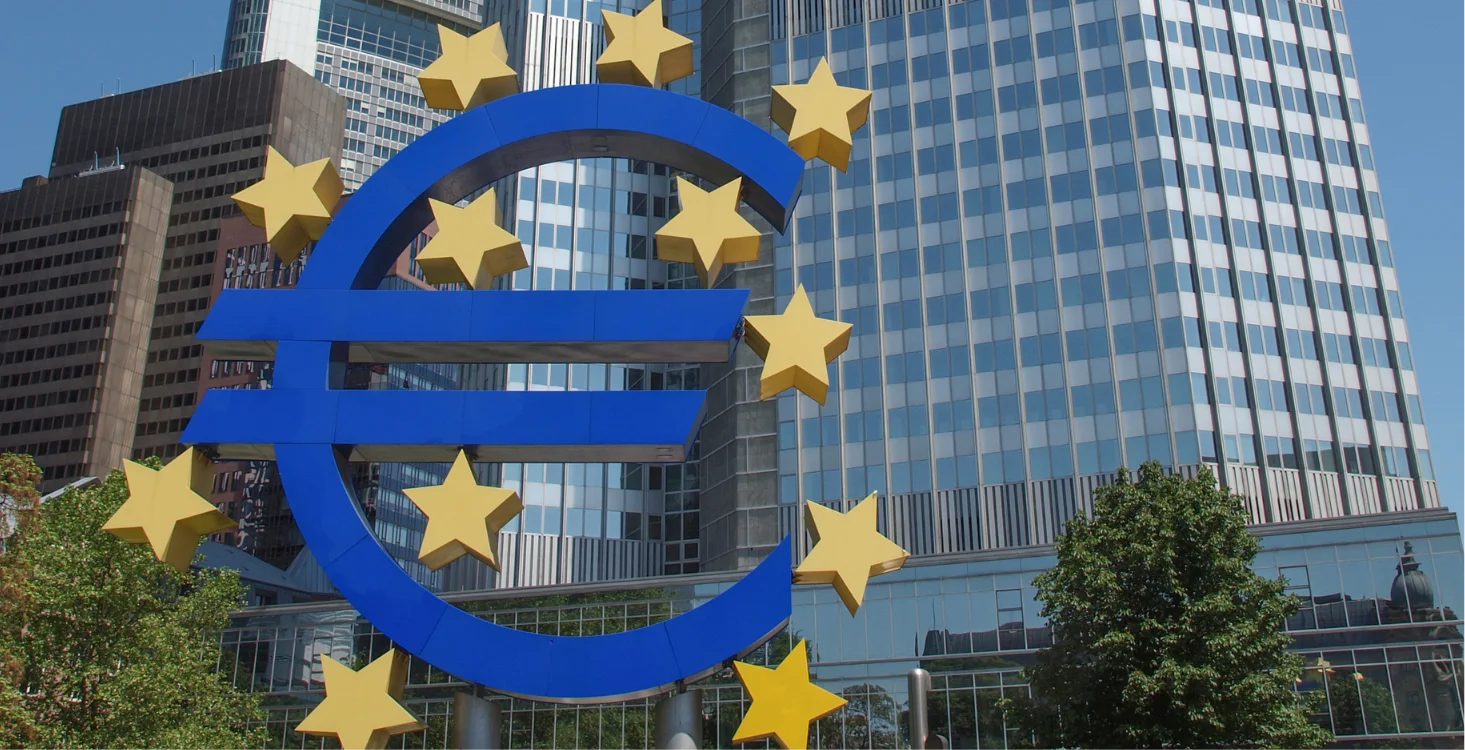
A group of 10 major EU Banks has announced a collaboration to launch a Euro-backed stablecoin by mid-2026. This move aims to strengthen Europe’s digital payment ecosystem and reduce reliance on U.S. dollar-based stablecoins, which dominate the global market.
Banks Involved and New Entity Formation
Ten major European banks, including ING, UniCredit, BNP Paribas, CaixaBank, Danske Bank, SEB, Raiffeisen Bank International, Banca Sella, KBC, and DekaBank, have joined forces to launch a Euro-backed stablecoin.
To manage this project, they have created a new company called Qivalis, based in Amsterdam. This company will develop a MiCA-compliant digital currency, ensuring it meets European regulations for safety and reliability.
Currently, most stablecoins in the market are tied to the U.S. dollar, leaving very few euro-backed options available. This makes Europe highly dependent on dollar-denominated digital currencies. By launching their own stablecoin, these banks aim to provide a secure, fast, and regulated Euro-based digital payment option for consumers and businesses.
This initiative is a major step for European financial independence, helping the continent reduce reliance on foreign currencies and strengthen its digital payment ecosystem for the future.
Leadership and Regulatory Oversight
Qivalis, the new company behind the euro-backed stablecoin, has put together a skilled leadership team to manage the project from licensing to launch.

Source: Marketsmedia
- Jan-Oliver Sell, former Managing Director at Coinbase Germany, will lead as CEO.
- Floris Lugt, previously heading Digital Assets Wholesale Banking at ING, will serve as CFO.
- Howard Davies, former chairman of the Financial Services Authority and RBS, will chair the supervisory board. providing decades of regulatory and banking expertise.
The consortium has applied for an Electronic Money Institution license with the Dutch Central Bank. This ensures that the project follows all required financial regulations. All leadership roles are still subject to regulatory approval, meaning the team is carefully vetted to meet compliance and security standards before the stablecoin goes live.
Why Europe Needs Its Own Stablecoin
European financial regulators have expressed concerns about the risks of over-reliance on U.S. dollar-backed stablecoins. Experts warn that rapid growth in foreign-issued stablecoins could pose systemic risks to European financial stability, potentially impacting monetary policy and reserves.
By introducing a euro-denominated stablecoin, Europe aims to:
- Enable fast, low-cost cross-border payments.
- Support programmable transactions and digital asset settlements.
- Provide a regulated alternative to dollar-backed tokens in the $300+ billion global market.
Complementing the Digital Euro
While the 10 European banks work on their euro-backed stablecoin, the European Central Bank (ECB) is also developing its own digital euro, expected around 2029. The stablecoin project from the banks complements the ECB’s efforts by offering practical solutions for payments right now, while following Europe’s crypto rules (MiCA).
Europe is taking a dual approach: combining private-sector innovation with public digital currency projects. This helps make payment systems faster, safer, and more efficient, while reducing dependence on U.S. dollar stablecoins and big payment platforms like Visa and PayPal.
In simple terms, the banks’ euro stablecoin is a big step toward modernizing Europe’s financial system, giving people and businesses a secure, fast, and independent way to make digital payments.
Related: South Korea pushes for draft stablecoin bill by Dec deadline