
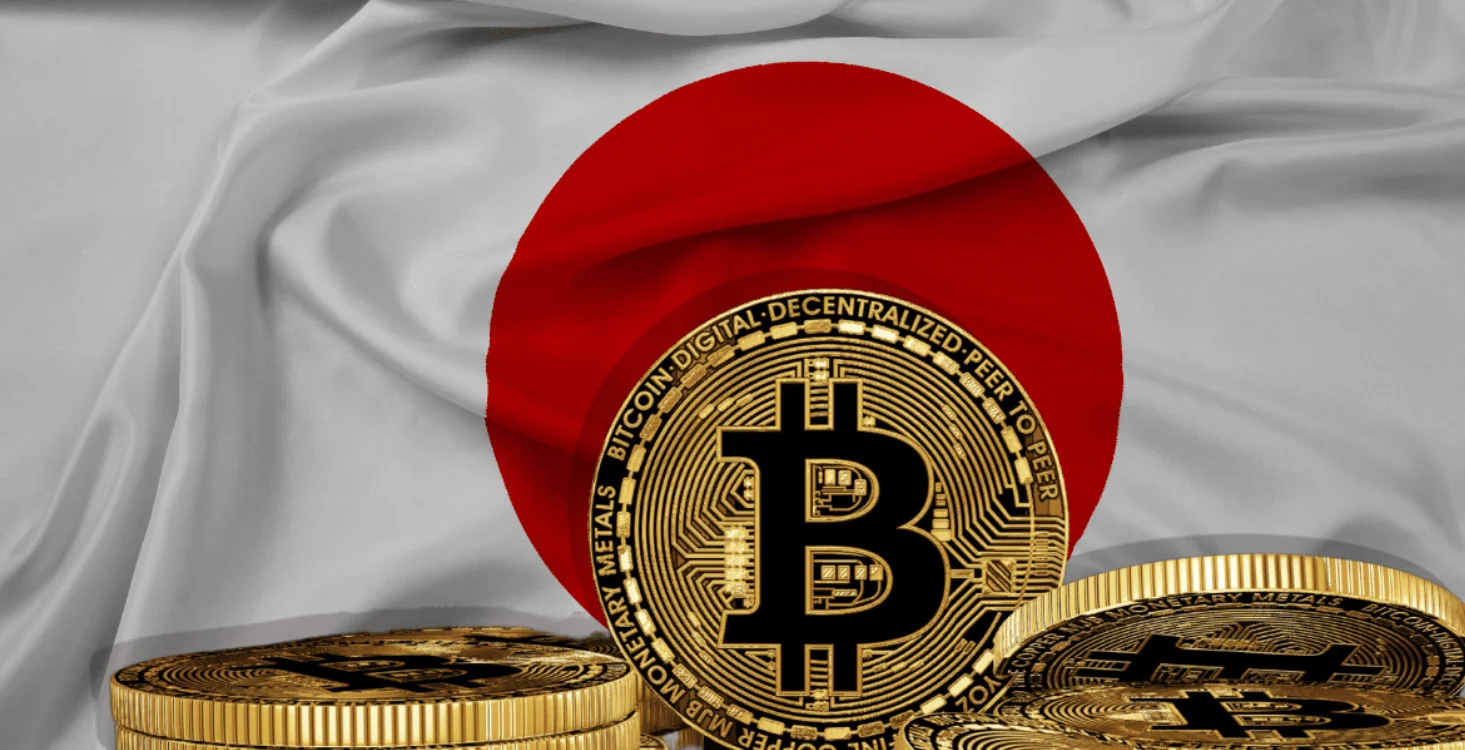
Japan is planning to approve its first crypto exchange-traded funds (ETFs) by 2028, taking an important step in regulating digital assets and encouraging institutional investment.
According to Nikkei Asia, the Financial Services Agency (FSA) wants cryptocurrencies to be included as base assets for these ETFs. The plan also includes stronger investor protection rules to keep trading safer for both regular and professional investors.
These measures aim to reduce risks from market swings, custody issues, and lack of transparency.
Once approved, crypto ETFs will allow Japanese investors to trade cryptocurrencies more easily, like regular stocks, without the need to manage wallets or private keys.
Financial Institutions Leading the Launch
Japan’s first crypto ETFs are expected to be launched by two major financial companies, Nomura Holdings and SBI Holdings. These funds will apply for listing on the Tokyo Stock Exchange once the government finalizes the rules.
The goal is to make investing in cryptocurrencies easier and safer for both individual and institutional investors. Unlike buying crypto directly, ETFs can be traded like regular stocks, so investors do not need to manage digital wallets, private keys, or deal with complex security issues.
This approach gives people a simpler way to participate in the crypto market while staying within Japan’s regulated financial system.
Global Influence on Japan’s Crypto Policy
The success of crypto ETFs in the United States and Hong Kong is shaping Japan’s plans. In the U.S., spot bitcoin ETFs now hold over $120 billion, attracting big investors such as pension funds, family offices, and university endowments, including Harvard. These ETFs make it easier for institutions to invest in cryptocurrencies safely and legally.
Hong Kong also launched its first crypto ETFs in 2024, giving investors access to bitcoin, ether, and Solana. These funds allow features like in-kind subscriptions and redemptions, letting investors trade the actual assets for ETF shares.
Japan wants to follow this path, offering crypto ETFs that are regulated, secure, and easy to access, while encouraging more institutional investment in digital assets. This shows the growing global trend of combining traditional finance with cryptocurrency.
Market Potential for Japanese Crypto ETFs
Crypto assets are becoming popular as alternative investments around the world. In Japan, the local crypto ETF market could grow to 1 trillion yen ($6.4 billion), depending on clear regulations, proper tax rules, and educating investors about these products.
Traditionally, retail investors faced challenges in owning crypto directly, as it required managing digital wallets and private keys. With ETFs, investing becomes much simpler and safer, as they trade like regular stocks on regulated exchanges.
The Financial Services Agency (FSA) is prioritizing risk management and transparency. It plans to introduce strict compliance standards, mandatory disclosures, and safeguards to reduce volatility and protect investors from custody risks.
These measures aim to make crypto investment accessible while maintaining safety for both retail and institutional participants.
Regional Trends and Stablecoin Integration
Japan’s move to approve crypto ETFs is part of a larger effort in Asia to bring cryptocurrencies into regulated financial systems. Last year, Japan also approved its first yen-pegged stablecoin, making digital payments and investments safer.
At the same time, South Korea is working on the Digital Asset Basic Act, which could allow the country’s first crypto ETFs, while Hong Kong is expected to issue licenses under its stablecoin framework this quarter.
These developments show a clear trend across Asia: governments are trying to integrate stablecoins and crypto investments into mainstream finance.
The goal is to give investors a safer and more regulated environment, reduce risks like fraud and price volatility, and make digital assets easier to access for both retail and institutional investors.