
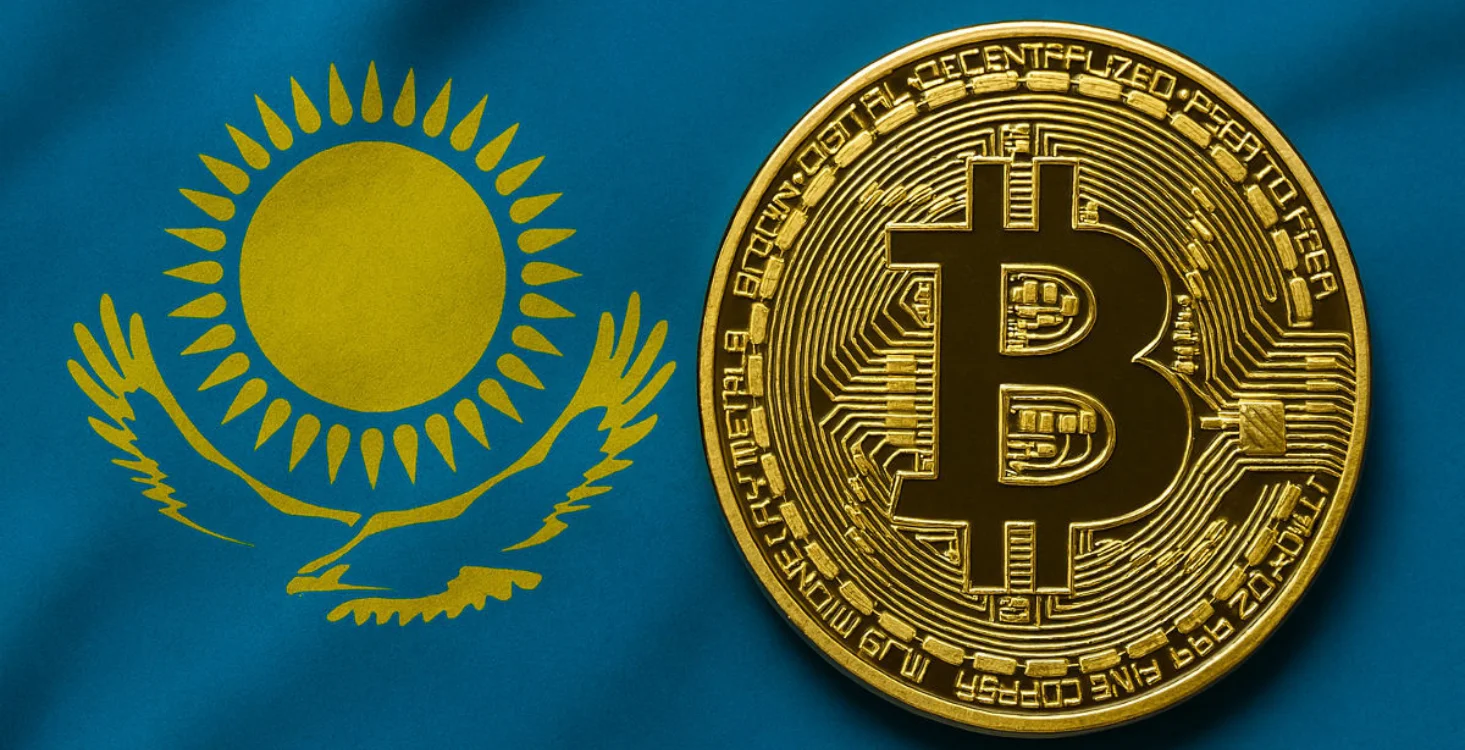
Kazakhstan is taking a big step into the cryptocurrency world. The country’s central bank has decided to invest part of its gold reserves and foreign currency savings into digital assets. This is an important change in how the nation manages its money and long term financial plans.
This move shows that Kazakhstan is not only creating rules for crypto but is also becoming a direct investor. By putting national funds into digital assets, the country is showing confidence in the future of cryptocurrency and blockchain technology.
It also signals that Kazakhstan wants to play a stronger role in the global digital economy.
Kazakhstan to Shift Gold and Fiat Reserves Into Crypto Exposure
The National Investment Corporation is a subsidiary of the National Bank of Kazakhstan. It has been given $350 million from the country’s gold and foreign currency reserves to invest in cryptocurrency related opportunities.
Deputy Governor Aliya Moldabekova shared this plan during the Annual Business Review forum. Later the Kazakhstan Association of Minority Shareholders posted the update on its Telegram channel.
She also said a special account has been opened at the Central Depository to manage Kazakhstan’s new cryptocurrency reserve.
Instead of buying cryptocurrencies directly the National Investment Corporation will first invest through hedge funds. Five funds have already been selected and more investments are expected through venture capital funds that focus on blockchain and digital asset projects.
At the same event National Bank Chairman Timur Suleimenov explained that the corporation will also manage digital assets seized by law enforcement agencies. He added that Kazakhstan’s National Fund receives money from oil and natural gas sales. This fund will also support these crypto investments.
Suleimenov confirmed that this new cryptocurrency reserve will become part of Kazakhstan’s overall sovereign reserves. These reserves are managed by the National Bank.
Astana Moves Forward With National Crypto Reserve
Kazakhstan announced plans to create a national digital asset reserve last autumn. In November, the central bank said the reserve could hold up to $1 billion. Part of this reserve will include digital assets seized by authorities and repatriated funds, according to NBK Chairman Timur Suleimenov.
The reserve will invest in cryptocurrency exchange-traded funds (ETFs) and shares of companies in the crypto industry. Later in November, Suleimenov also mentioned that the central bank is ready to spend up to $300 million on these investments in the short term.
Earlier, Deputy Governor Berik Sholpankulov confirmed that the central bank was considering using some of Kazakhstan’s gold and foreign currency reserves for digital asset investments.
At the same time, the Ministry of Artificial Intelligence and Digital Development launched another fund supported by Binance’s local branch. This fund, called the Alem Crypto Fund, is managed by the state-backed Qazaqstan Venture Group and made its first investment by buying BNB tokens.
In September 2025, Kazakhstan introduced a stablecoin tied to its national currency, the tenge. The stablecoin is built on the Solana blockchain and issued through the Intebix crypto exchange.
Kazakhstan Positions Itself as a Eurasian Crypto Hub
Kazakhstan is working to become a major cryptocurrency hub in Central Asia and the wider Eurasian region. The country has gained attention in recent years as a key crypto mining destination.
The government is updating its rules to allow more use of digital assets beyond the special legal framework of the Astana International Financial Center (AIFC). It has also eased some restrictions on crypto mining and officially legalized crypto investments.
At the same time, authorities are cracking down on illegal crypto activities. President Kassym-Jomart Tokayev recently said the government is focusing on stopping money from leaving the country through digital assets.
So far, officials have closed more than 130 unlicensed crypto exchange offices, which had a combined turnover of $123 million. In January, regulators also blocked access to over 1,100 websites offering crypto services without permission.