
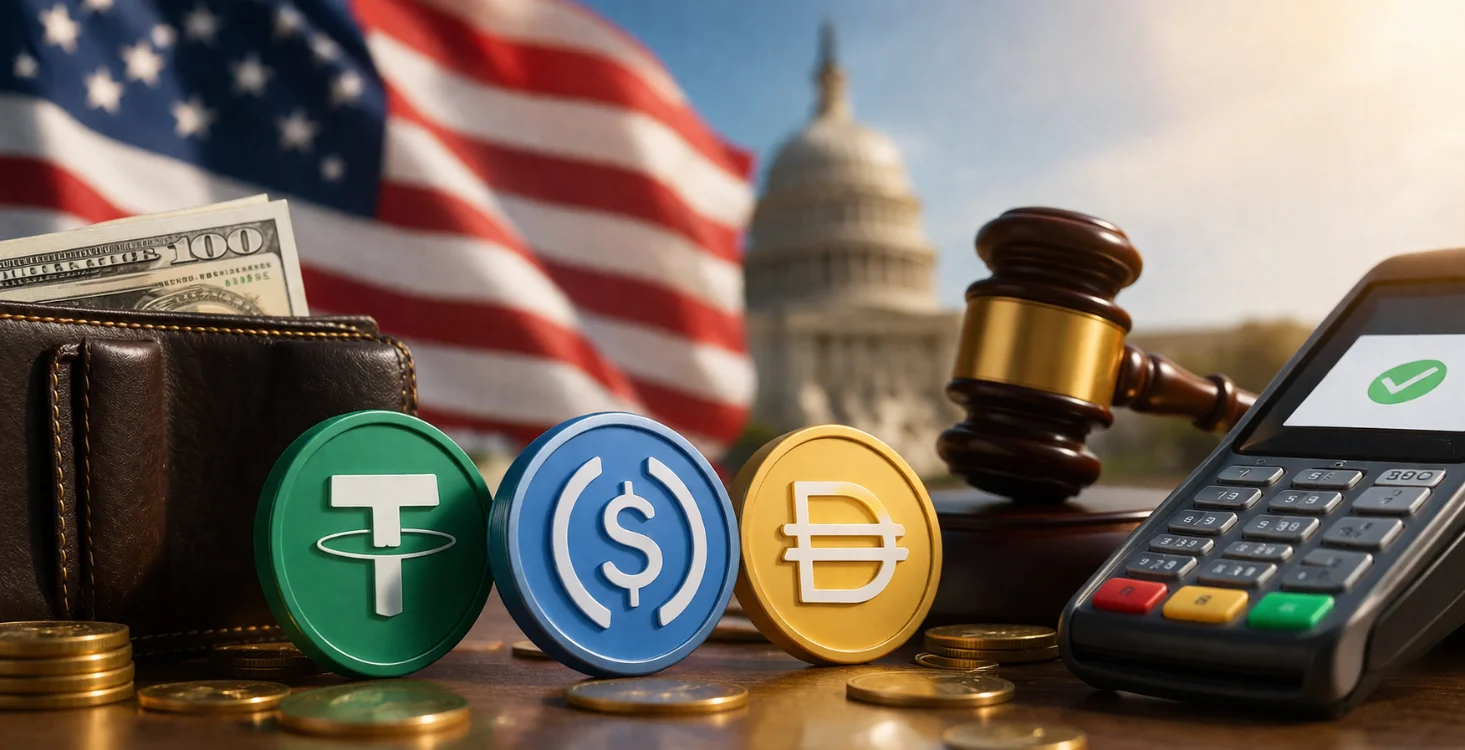
US lawmakers are planning changes to crypto taxes with the proposed Digital Asset PARITY Act, a draft bill by Representatives Max Miller and Steven Horsford. The bill aims to make digital asset taxes simpler and fairer.
It proposes that stablecoin transactions under $200 could be tax-free, reducing reporting burdens for everyday users.
It also allows crypto miners and stakers to defer taxes for up to five years, using the fair market value of their earnings.
The draft includes rules on wash sales, charitable donations, and professional trader accounting. This act is still under discussion and not yet law.
What is the Digital Asset PARITY Act?
The Digital Asset PARITY Act, short for Digital Asset Protection, Accountability, Regulation, Innovation, Taxation, and Yields Act is a discussion draft intended to overhaul the Internal Revenue Code of 1986 concerning digital assets.
While not yet formally introduced to Congress, the draft seeks to spark debate between lawmakers, industry stakeholders, and the crypto community on modernizing the US crypto tax framework.
Key objectives of the bill include:
- Clarifying the tax treatment of digital assets.
- Introducing de minimis tax exemptions for stablecoins.
- Providing options for staking and mining income deferral.
- Extending certain rules like wash sale and mark-to-market elections to digital assets.
Tax-Free Stablecoin Transactions Under $200
A major highlight of the proposed legislation is the de minimis exemption for stablecoin transactions:
- Stablecoin payments below $200 would not trigger taxes or reporting requirements.
- The exemption applies only to regulated, dollar-pegged stablecoins that maintain prices within 1% of $1 over 95% of trading days in a year.
- Transaction costs incurred to acquire or move stablecoins cannot be counted toward an investor’s cost basis.
- This safe harbor is designed to reduce the compliance burden for everyday crypto users.
The proposal has sparked discussion among crypto enthusiasts. Advocates argue this exemption simplifies taxation for routine purchases, while some Bitcoin proponents criticize that the measure excludes Bitcoin and other decentralized cryptocurrencies from similar tax relief.
Staking and Mining Income: Five-Year Deferral Option
The act lets crypto users defer taxes for up to five years on income from staking lending and validator services. Normally taxed immediately by the IRS, this provision gives investors more flexibility and reduces short-term tax burdens. Key provisions include:
- Taxpayers can elect a five-year deferral for mining and staking rewards.
- Income is calculated using fair market value at the time it is recognized.
- This approach provides a compromise between immediate taxation and full deferral, balancing taxpayer flexibility with regulatory oversight.
Additional Provisions in the Draft Bill
The Digital Asset PARITY Act also introduces several important rules to make crypto taxation simpler and fairer. It applies wash sale rules to digital assets, stopping investors from claiming losses if they immediately buy back the same asset.
Professional traders can choose mark-to-market accounting, which helps calculate gains and losses more accurately. For charitable donations, appraisal requirements are waived for digital assets valued over $10 billion, making large contributions easier.
Additionally, the act defines tax rules for securities lending, covering crypto loans with fungible liquid assets. These provisions aim to bring clarity and fairness to crypto tax compliance.
Industry and Lawmaker Reactions
Industry reactions to the Digital Asset PARITY Act are mixed. The Blockchain Association and over 125 crypto companies worry that extending rules beyond stablecoin issuers could give big companies an unfair advantage and limit competition.
On the other hand, crypto advocacy groups like the Digital Chamber support the bill, saying clear tax rules are essential for encouraging crypto activity in the US.
However, some Bitcoin supporters, including Pierre Rochard, feel the focus on stablecoins is misplaced. They argue that Bitcoin and other decentralized cryptocurrencies should also receive tax exemptions because of their unique role in the digital economy.
Timeline and Legislative Outlook
- The proposed framework could take effect for tax years starting after December 31, 2025.
- Representatives Miller and Horsford expect further discussions in Congress, with possible advancement of the broader bill by August 2026.