
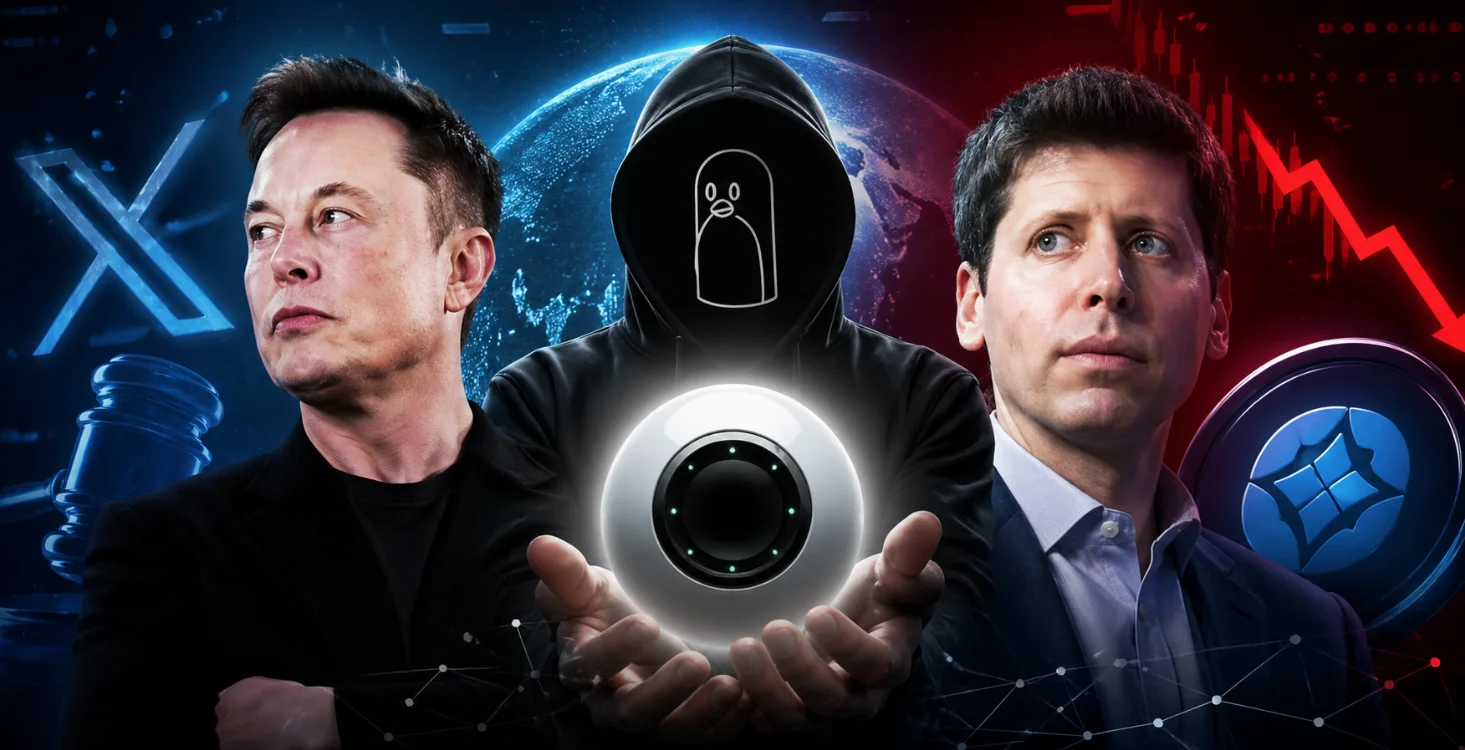
Crypto investigator ZachXBT has again raised concerns about Sam Altman and the Worldcoin (WLD) project. He questioned how the project distributes its tokens and how it collects users’ biometric data, such as iris scans.
His comments came during ongoing online discussions that also involve Elon Musk and his disputes with Altman.
ZachXBT reshared posts on X (formerly Twitter) that criticize Worldcoin’s system. These posts highlight possible issues in how user information is collected and how WLD tokens are given to participants.
He also mentioned reports of underground markets where verified online accounts are being bought and sold, which raises further concerns about identity misuse.
Overall, the discussion has increased debate about privacy, security, and transparency in crypto and AI-related projects.
Concerns Over Worldcoin’s Token and Biometric Model
Worldcoin has faced criticism about how its WLD token was distributed. Some people say there was not enough clear information in the early stage, and important details about the token were not fully open to everyone.
Others believe that in some regions, restrictions may have limited public access and review of the project at launch. The project also uses biometric verification, where users scan their eyes (iris) to confirm their identity.
In return, they receive WLD tokens. Critics argue this system may influence people in financially weaker regions to participate without fully understanding how their personal data will be used, raising concerns about privacy and informed consent.
Allegations of Black Market for Verified Accounts
ZachXBT further raised concerns about how verified accounts and identity systems can be misused. He mentioned that there is an underground market where KYC-verified accounts are traded, often through Telegram channels that are difficult to track or regulate. According to him, these markets are not widely visible but still exist and operate in hidden ways.
Other people in the crypto space have also claimed that verified accounts linked to identity checks are sometimes sold for very low prices, even around $65. This raises serious concerns about how secure and trustworthy such identity verification systems really are.
If accounts tied to real identities can be easily bought or sold, it could lead to misuse, fraud, and privacy risks for users. The discussion highlights the growing worry about how digital identity systems are handled and whether stronger security measures are needed to protect user data and prevent exploitation.
Broader Debate Extends to AI and OpenAI Leadership
The discussion is now not only about crypto but also about AI and how companies like OpenAI are managed. Elon Musk has filed a lawsuit against OpenAI, increasing pressure on Sam Altman’s leadership.
Musk claims that OpenAI moved away from its original goal of being a nonprofit organization and is now focused on profit after working closely with Microsoft.
He has also openly criticized Sam Altman on social media, even calling him a “scammer.” These comments have created more online attention and even led to meme coin jokes and discussions in the crypto community, adding more heat to the ongoing debate.
Internal Concerns Around OpenAI Leadership
The discussion around OpenAI leadership has come back into focus after reports of internal disagreements within the company. Some claims suggest that certain executives had concerns about how decisions were being made and how transparent the leadership process was.
These issues were believed to be one of the reasons Sam Altman was briefly removed from his role in 2023, before being brought back shortly after.
Reports also mention that former OpenAI executives, including Ilya Sutskever, were involved in raising and documenting these internal concerns. The discussions reportedly focused on leadership style, communication gaps, and overall management practices within the organization.
Sam Altman, however, has denied any wrongdoing. He has stated that his leadership approach is necessary for a fast-changing and highly competitive AI industry, where quick decisions and adaptability are important for progress and innovation.